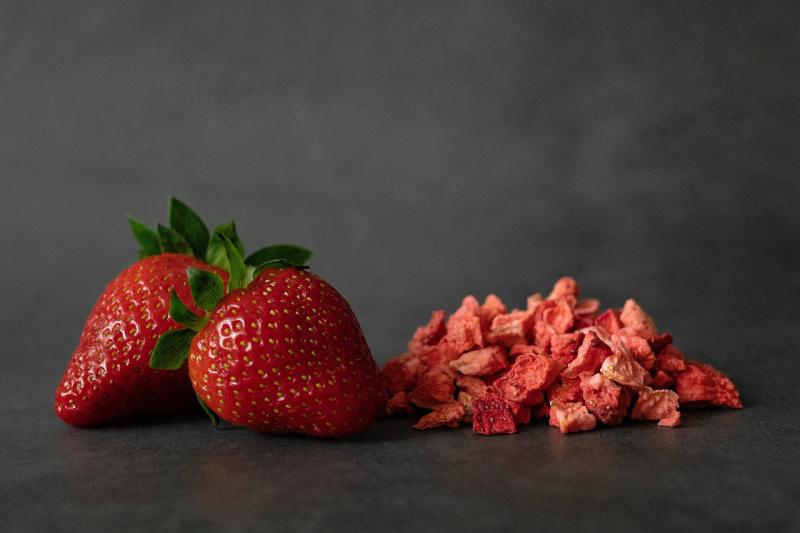
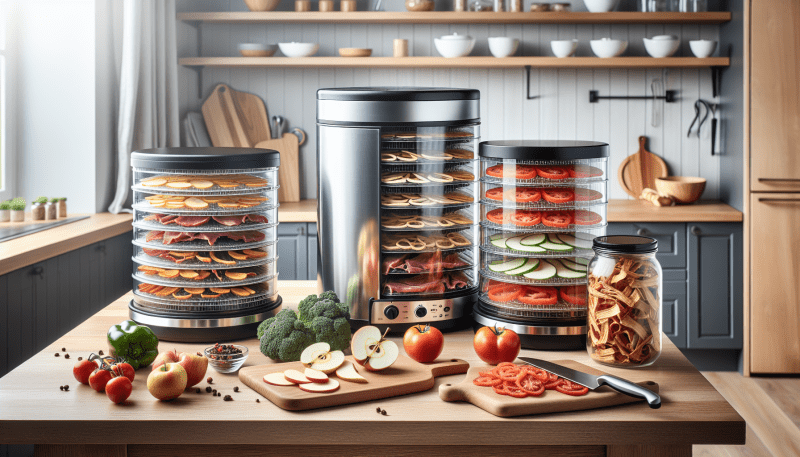
Using a food dehydrator comes with some awesome benefits that make it a game-changer for anyone who loves snacks. First off, preserving food is a breeze. You can dry fruits, veggies, and herbs, locking in flavor while extending their shelf life. Forget about moldy produce or those sad-looking leftovers lurking in your fridge!
Another perk is the healthy factor. Dehydrated foods are typically lower in calories than many store-bought snacks. You get to control the ingredients and skip out on added sugars, preservatives, and unhealthy fats. Grab those apples and turn them into sweet, chewy bites that you can feel good about munching on.
Let’s talk about saving money. Buying dried foods can add up quickly, but making your own is way cheaper. You can buy in-season produce and catch it on sale, then dry a big batch to enjoy later. It's budget-friendly and helps reduce food waste, meaning you're saving both cash and the planet.
Finally, there’s the convenience factor. With a food dehydrator, you can prepare snacks ahead of time and have them ready for road trips, camping, or just everyday cravings. It’s super easy to store dehydrated food, and they take up way less space than their fresh counterparts. Plus, they last a long time, so you’ll always have a tasty treat on hand!
How to Choose the Right Food Dehydrator
Choosing the right food dehydrator can feel overwhelming, but it doesn’t have to be! Start by figuring out what you want to dehydrate. Do you want to make dried fruit snacks, jerky, or herbs? Knowing your main goal helps narrow down your options.
Next, consider the size. How much counter space do you have? If you’re planning to dry a lot of food at once, go for a larger model. Some dehydrators even have stacking trays that let you expand the space as needed. But if you just want to try things out, a smaller option works great.
Fan placement matters too. Some machines have a fan at the bottom, while others have it at the back. A back-mounted fan tends to dry more evenly, so look for this feature if you want consistent results. Also, check out the temperature settings. Having a range is super helpful for different foods. Fruits usually need lower temps, while meats require higher ones.
Lastly, think about how easy the dehydrator is to clean. Removable trays make it way easier to scrub them down after use. Some models even have dishwasher-safe parts. This can save you time and effort in the long run. With all these considerations, you’re on your way to picking the perfect dehydrator!
Essential Tips for Dehydrating Food Safely
Dehydrating food is a great way to preserve your favorite fruits, vegetables, herbs, and even meats. But to get the best results, you need to do it safely. Here are some essential tips to keep in mind when you’re ready to start your dehydrating adventure.
First, always start with fresh, high-quality ingredients. Look for produce that’s ripe but not overripe. Using the best quality food ensures that your end product tastes great and lasts longer. Wash everything thoroughly to get rid of dirt and pesticides. A quick soak in a vinegar-water solution can also help sanitize your fruits and veggies.
Cutting your food into uniform pieces is key. This helps ensure that everything dries evenly. So, whether you're slicing apples or dicing bell peppers, aim for pieces that are about the same size. Thinner slices will dry faster, but make sure they're not so thin that they crumble.
Don’t forget about blanching! For vegetables, a brief blanching in boiling water followed by an ice bath can preserve color, texture, and taste. It helps deactivate enzymes that could spoil your food during the drying process. Skipping this step can lead to undesirable textures and flavors later.
Lastly, store your dehydrated food properly. Use airtight containers or vacuum-sealed bags to keep moisture at bay. Label everything with the date so you know when to use it up. It’s all about keeping your delicious snacks fresh and tasty for as long as possible!
Delicious Recipes to Try in Your Dehydrator
If you've got a dehydrator sitting on your counter, you're in for a treat! Dehydrating food opens up a whole new world of flavors and textures. Think about it: you can whip up savory snacks, sweet treats, and even some meal prep magic. Here are a few delicious recipes to get you started.
Crispy Apple Chips Slice up some fresh apples, toss them with a sprinkle of cinnamon, and lay them on the dehydrator trays. It usually takes about six to eight hours at 135°F to get them crunchy. You’ll have a perfect snack that’s healthy and satisfying!
Vegetable Chips Take your favorite veggies like kale, zucchini, or sweet potatoes. Slice them thin, coat them with a bit of olive oil and your favorite seasonings—maybe some garlic powder or paprika. Dehydrate at 135°F for around three to five hours until they’re crispy. You won’t believe how tasty they are!
Fruit Leather This one’s super easy! Puree your favorite fruits like strawberries or peaches. Spread the puree on a dehydrator sheet and dry at 135°F for about six to eight hours. Once it’s done, cut it into strips, roll them up, and enjoy a chewy, fruity snack anytime.
These recipes are just the tip of the iceberg! Once you get the hang of it, feel free to experiment with your favorite ingredients. Dehydrating is fun, and you get to enjoy yummy snacks that are way healthier than store-bought options.