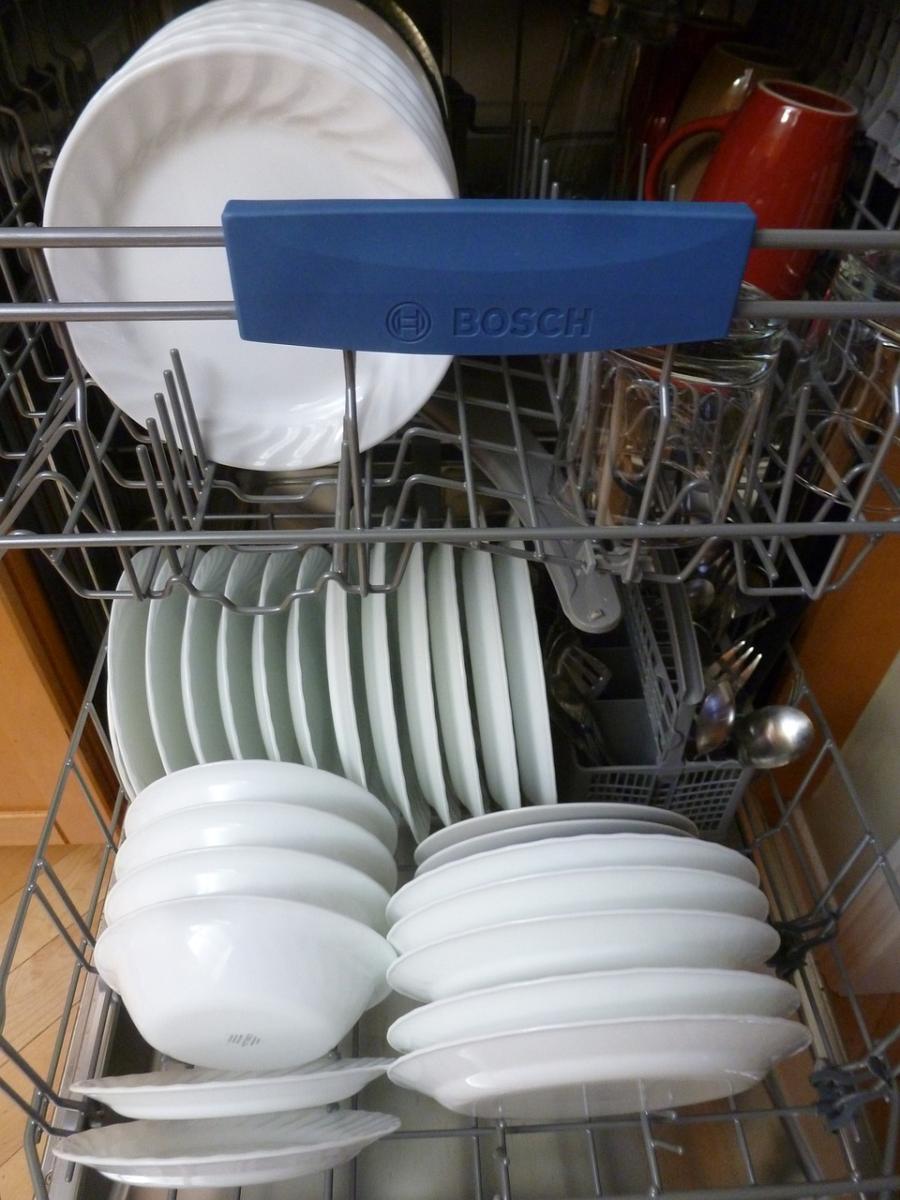
Loading your dishwasher doesn't have to be a puzzle. A few simple tricks can help you save space and get those dishes sparkling clean. First things first, start with the big stuff. Plates and bowls should go on the bottom rack. Make sure they’re facing down and not overlapping. This way, the water spray can reach all those pesky food bits.
Next up, the top rack is perfect for cups, glasses, and smaller bowls. Place them securely. You don't want those fragile items getting knocked around during the wash cycle. For best results, angle them slightly so the water can drain out easily. Don't cram everything in; give your dishes room to breathe for a thorough clean.
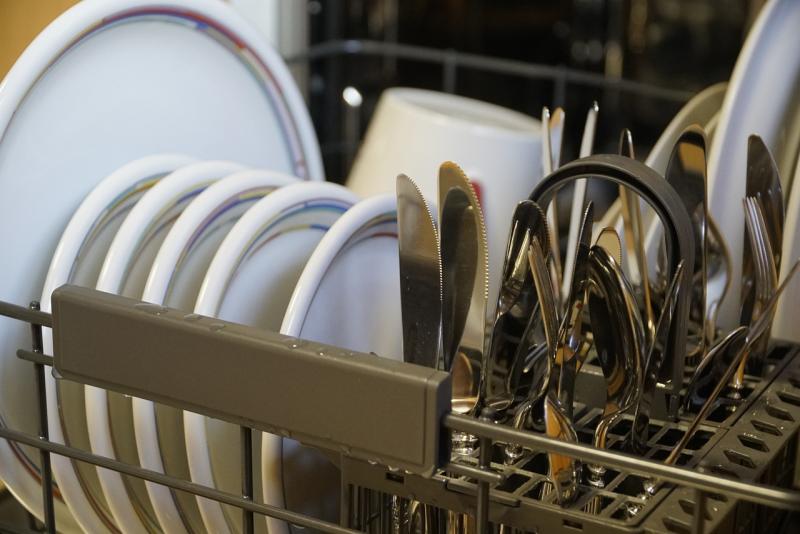
Now, let’s talk utensils. Most dishwashers have a special section or basket for forks, knives, and spoons. Load those sharp blades down for safety. It’s also a good idea to keep similar items together—this keeps them from getting tangled and helps with cleaning. Wooden utensils aren't dishwasher-friendly, so wash those by hand to prevent warping.
Lastly, don’t forget the pots and pans! If they fit, place them on the bottom rack, but try to angle them so water reaches every inch. If you’re dealing with stubborn baked-on food, pre-soaking them might help. That way, by the time they're in the dishwasher, they don't require too much extra elbow grease.
Top Tips for Optimal Dish Placement
Loading your dishwasher the right way can make a huge difference in its performance. Here are some top tips to ensure your dishes come out sparkling clean.
Start with the bottom rack. This is where the bigger items belong—think pots, pans, and plates. Place them facing the center so the water can reach all surfaces. Don’t overcrowd! Give them some space to avoid blocking the spray arms.
Next up, the top rack is for the smaller, more delicate items. Place cups, small bowls, and top-rack-safe plastics up there. Angle them downward to let the water run off easily. Remember to avoid placing anything too tall that might block the spray arm.
When it comes to silverware, mix it up in the basket. Put forks and spoons handle-down so they come clean, but place knives with the handles up for safety. If your basket has slots, use those to keep everything separated. Less clanking means a better clean!
Finally, keep an eye on your dishwasher’s loading guidelines for any specific suggestions. Some models have unique features that can affect how you load your dishes. Following these tips will help you get the best results and cut down on the number of rinses needed!
Common Mistakes to Avoid When Loading
We’ve all been there. You load the dishwasher and hope for the best, but when the cycle is done, you find dirty dishes. What went wrong? Let’s dive into some common mistakes to steer clear of.
First up, overloading. It might seem like a good idea to cram as many dishes as possible, but that’s a big no-no. When dishes are too close, water can’t do its job. Leave enough space for the spray arms to move freely. It’s all about balance!
Next, consider how you place your dishes. Plates should face inward on the bottom rack so they catch more water. Place larger items on the bottom and smaller ones on top. And don’t forget to angle bowls! They need to face down to avoid collecting water.
Skip the pre-rinse. Your dishwasher is made to deal with food residue, so just scrape off big chunks and let the machine handle the rest. Pre-rinsing can actually leave the detergent with less to cling to, which impacts cleaning.
Lastly, don’t ignore your dishwasher’s manual. Each model has quirks and suggestions that can optimize performance. Knowing your machine can save you from unnecessary headaches. Remember, loading correctly makes a world of difference!
Unleashing the Power of Extra Settings
When it comes to running your dishwasher, extra settings can really take your dishwashing game to another level. Many people stick to the basic cycle, but let’s be honest: your dirty dishes deserve a little TLC. Extra settings are there to tackle those stubborn stains and really clean those pots and pans that have seen better days.
One common extra setting is the “heavy-duty” cycle. If you’ve ever faced a mountain of baked-on grease or last night's lasagna, this is your go-to option. It cranks up the water temperature and extends the wash time, giving those tough messes a serious scrub. You’ll notice the difference right away!
Then there’s the “sanitize” option. This setting is fantastic if you’re concerned about germs or simply want to ensure your dishes are squeaky clean. It uses higher temperatures to blast away any bacteria lingering on your plates and utensils. Perfect for baby bottles, cutting boards, or anything that needs that extra layer of hygiene.
Finally, don’t underestimate the power of the “quick wash.” If you’re in a rush but still want clean dishes, this setting works wonders. You won’t get the deep clean, but it’s perfect for lighter loads that just need a refresh. Great for everyday dinners when you’re not dealing with tough, stuck-on food.
So, don’t ignore those buttons on your dishwasher! Exploring the extra settings can save you time and energy while ensuring that every dish comes out sparkling. Your future self will thank you for it!